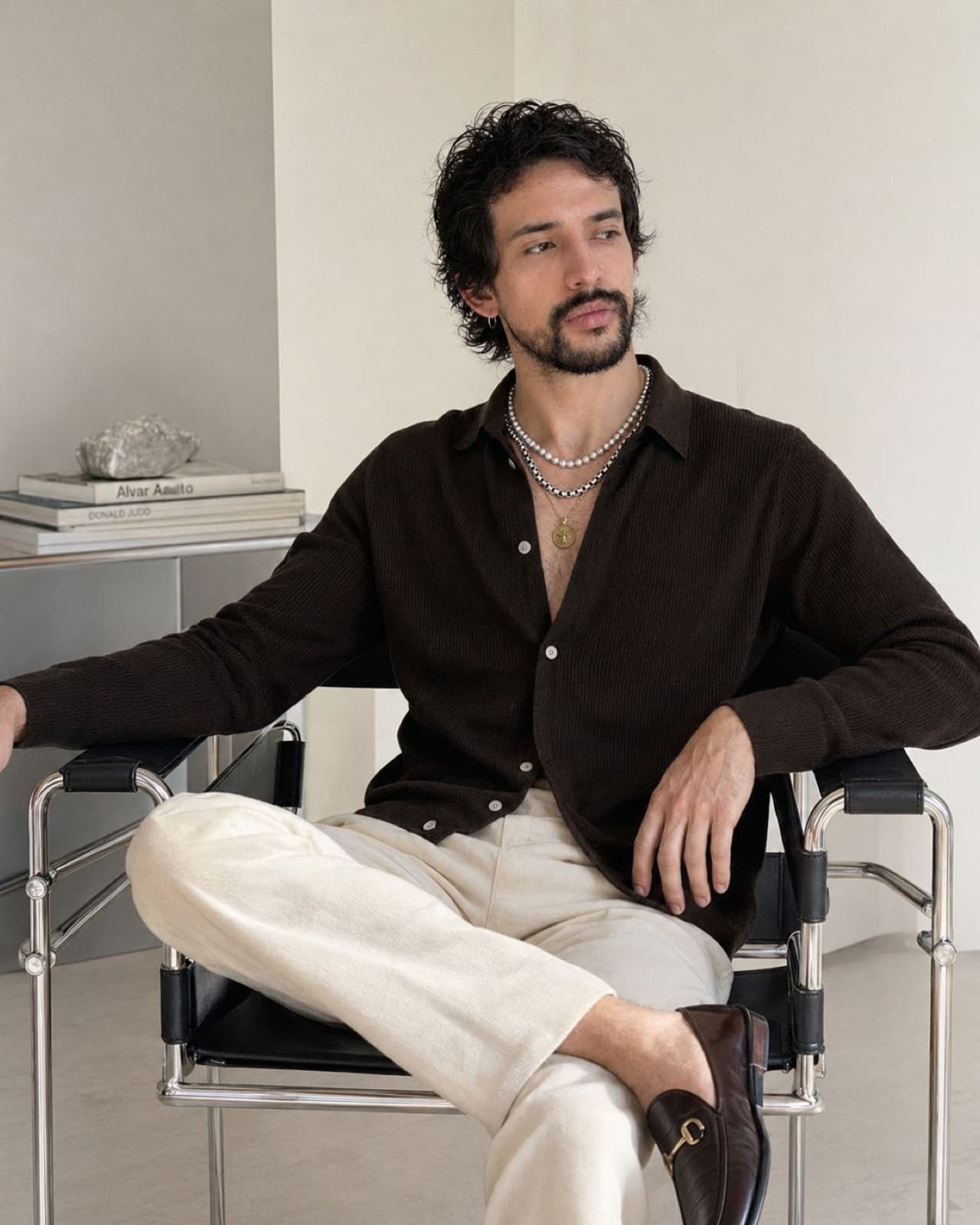
Black Swan Project is a restoration movement built by Alejandro del Palacio. We are not a research publication — research is one of five pillars. The mission is to restore consciousness as a recognized human capacity: recover the suppressed research, build an open-source replication archive, and ship protocols and tools so any honest investigator can verify it on themselves.
Anglo science abandoned this work after the 1960s. The Latin American tradition never did. We are picking it back up — bilingually, rigorously, publicly — and carrying it to household hardware by 2030. Read the full manifesto for the whole arc.
The 30-year arc
By 2055, the suppression breaks. A generation grows up taking restored capacity for granted — the way our grandparents took electricity for granted. The Black Swan archive becomes a reference in every undergraduate consciousness curriculum on the planet. The hardware we ship becomes the household appliance of intentional state-shifting. We are 4 of 30 years in.
The work is sequenced across five phases:
- Phase 1 — Knowledge. Five field-report courses (now → Q3 2027). First one is live: The Alignment Protocol.
- Phase 2 — Inputs. Personalized supplement reports (2028, USA-shipping; LATAM affiliate mode).
- Phase 3 — Measurement. Morpheus AI on iOS, wearable-integrated (2029).
- Phase 4 — Intervention. Household HomePod-style hardware delivering engineered states (2030).
- Phase 5 — Frontier. Consciousness tech — BCI-adjacent, real-time measurement (2032+).
The founder stake
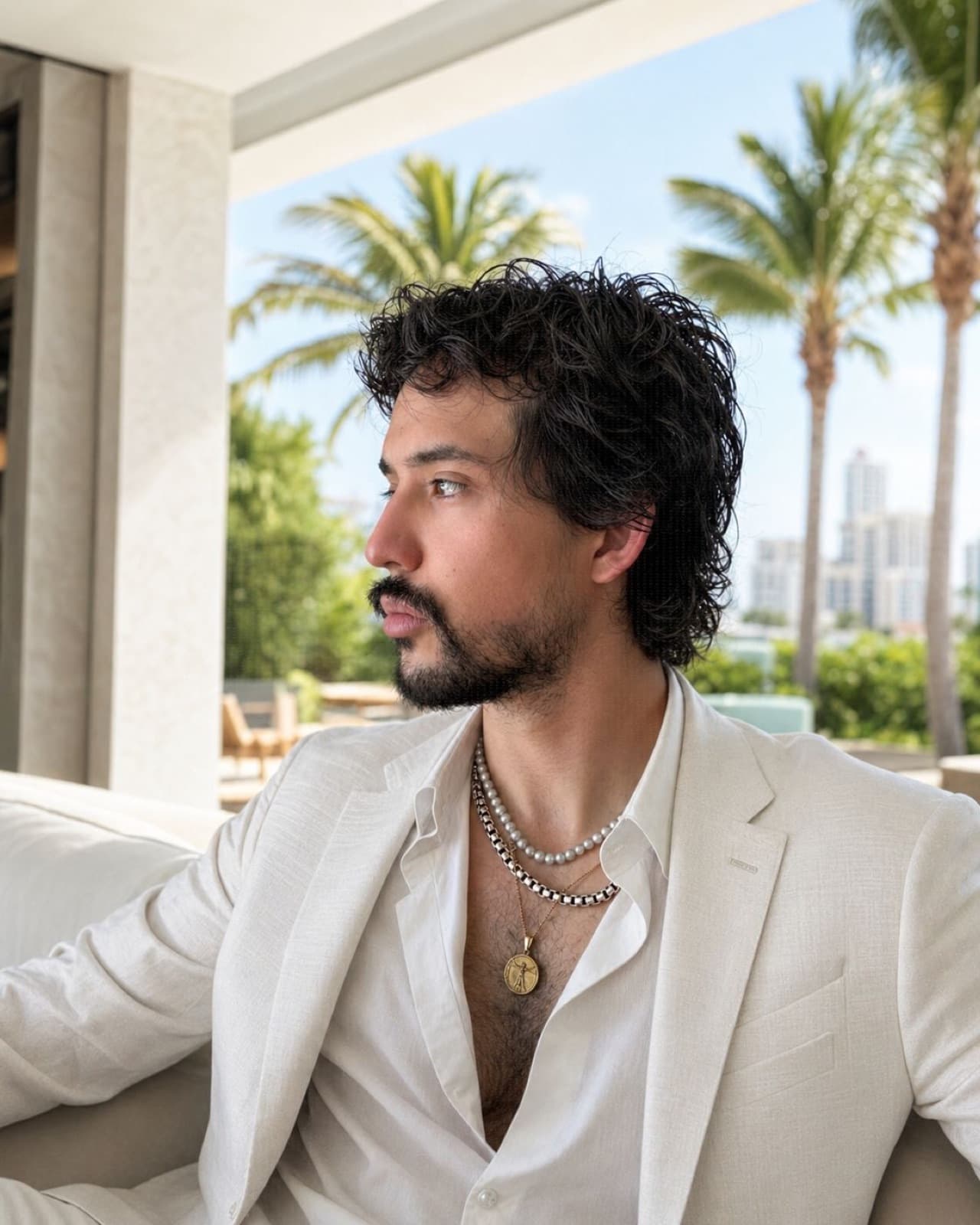
I am betting hardware. When Phase 4 launches in 2030, I am putting personal reputation, financial reserves, and 5-10 years of single-pointed focus into shipping a device that gives every Divergente in their home access to the states the CIA Gateway Process, the Monroe Institute, and the Tibetan tradition documented behind closed doors.
If it works, the movement has its temple. If it fails, I publicly lose what I bet. Founders who don't bet at this level don't lead movements. The audience reads the stake before it commits.
The open-source commitment
All the research lives in public at github.com/al4dpb/blackswan-research under CC BY-SA 4.0. Three ways to use it: browse online, clone the entire archive offline, or paste any URL into ChatGPT/Claude/Perplexity/Gemini and ask the AI to read it directly.
The commercial layer (courses + future supplements + app + hardware) sits on top of the research layer. The repo stays free forever. That separation is the moral architecture of the brand. What gets paid for is the curation, the tested protocol, the device. What does NOT get paid for is the evidence.
How we work — the Black Swan Standard
Every claim on this site is graded on five axes:
- Source — peer-reviewed journal, declassified document, or named primary record. Never Wikipedia, never blogs.
- Replication — has the result held in independent labs, with sham controls or blinded raters?
- Effect size — measured how, in whom, against what control?
- Conflicts of interest — who funded the trial, who profits from the protocol?
- Falsifiability — what would prove the claim wrong? If nothing, the claim is not science.
When a claim is contested in the scholarly literature, we name it directly: "scholars debate X — either way, the operational record shows Y." Steel-manning the opposition as brand discipline.
The lineage — Doña Matilde
Jacobo Grinberg documented Mexican curanderas during his fieldwork on consciousness. One of the women he documented was my great-grandmother, Doña Matilde. I learned this before I learned what peer review meant. By the time I could read his papers, the man who wrote them had been missing for almost two decades.
This site is the work of someone who grew up inside the question Grinberg was asking, and who spent the next several years learning how to answer it the way he tried to — with citations. The connection is a research-relationship lineage, not a claim of inheritance. Grinberg's own work is cited here like every other primary source — graded against the rubric, not exempted by the lineage.
Who I am
Mexican, bilingual, builder of systems. Founder and managing partner of SwanVale Strategic Growth — a separate consultancy. Black Swan Project is not a SwanVale property; the cross-reference exists for transparency, not cross-sell. No clinical credential. No transformation pitch. The work stands on its sources, including the rubric applied to my own.
What this site will and won't do
- Will: cite primary sources, name researchers and years, mark uncertainty, publish failed replications, run the rubric on its own work, keep the open-source archive free forever.
- Won't: promise transformation, replace clinical care, sell programs as cures, hide which protocols I personally test versus only document.
What you can do here
- Read the manifesto and the archive.
- Subscribe to the Sunday newsletter — one case file per week, no purchase pressure.
- Run the protocols on yourself with discipline — pre-register, baseline, log, decide. Your data, not mine.
- Fork the open-source repo — translate, replicate, correct citations, contribute.
- Push back — if you find an error, send the citation. We update or retract publicly.
The transition
Previously published under the pen name VENUS. As of 2026-05-06, writing under my real name. Same rubric. Same standards. Same questions. Just the byline is different.